Good Dark Fantasy Books With Romance: 6 That Won't Ruin the Plot
You searched for good dark fantasy books and the romance half is what worried you. Fair. Most lists in this lane split the difference — they hand you grimdark with a token love interest bolted on, or romantasy where the darkness is paint over a YA frame. Neither earns the "and" between dark fantasy and romance. The good ones do something structural: they make the romance the mechanism by which the plot's cost reaches the protagonist's body. The bond is not a reward scene. The vow is not a misunderstanding. The bargain has a ledger.
These six do that work. Two are the commercial pillars the algorithm already pushes — Fourth Wing and A Court of Mist and Fury. Two are the grimdark-leaning picks where romance survives by being subordinate — The Poppy War and Empire of Sand. One is the indie import doing the structural move louder than its shelf recognition suggests — Spark of the Everflame. One is the discovery pick from the shelf the algorithm is not surfacing — The Book of Azrael. I care about this lane because it's the one I write inside: a romance conducted across an asymmetry nobody consented to, where the bond is a third term with its own will. The question is never whether the romance belongs. The question is whether the book is honest about what the romance costs.
A quick map before the long versions — what each pick costs, and who it is for.
| Book | Sub-genre | Dark element / cost | Best for |
|---|---|---|---|
| Fourth Wing | Military romantasy | Dragon bond kills to claim | Readers who want bond-as-stakes |
| The Poppy War | Grimdark mythic war | Shamanic madness, war crimes | Readers who want war-cost romance |
| A Court of Mist and Fury | Fae romantasy | Bargain cages, bond frees | Readers who want romance-as-recovery |
| Spark of the Everflame | Mythic romantasy | Debt-bond under descended gods | Readers who want romance-as-power |
| Empire of Sand | Mughal-inspired fantasy | Ritual vow neither can break | Readers who want constrained romance |
| The Book of Azrael | Demon-bargain romantasy | Bond with a moral ledger | Readers who want a discovery pick |
1. Fourth Wing — Rebecca Yarros
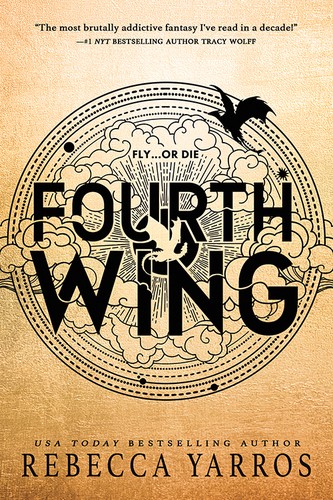
The book that reopened the argument. Everyone accuses this one of letting romance eat the plot. Here is the structural case for why it doesn't — and where the accusation sticks.
Violet Sorrengai was meant for the Scribe Quadrant and is dropped into the Riders Quadrant at Basgiath War College by her mother, the commanding general. Riders bond dragons through a threshing that kills the unchosen. Xaden Riorson is the marked son of the rebellion Violet's mother crushed, and the dragon that bonds him pulls Violet into a proximity she did not consent to. The first novel is the account of a war college that is genuinely lethal and a romance conducted across the political enmity the dragon's bond refuses to let either of them honor.
The craft move that earns the slot: Yarros makes the rider bond load-bearing rather than decorative. The dragon chooses both riders, and the bond forces Violet and Xaden into the same fate. The political enmity between them runs through the bond instead of being interrupted by it. That is what "romance doesn't ruin the plot" looks like on the page — the romance is the mechanism by which the plot's stakes reach Violet's body. Take the romance out and the war college has no interior; the bond is how the war reaches her.
Honest concession: the romance-to-plot ratio is the actual debate, and the debate is not wrong. Readers who came for the military machinery will feel the romance crowd it in the back half. Yarros's prose is commercial, not literary. If you read for line-level sentences, this will not deliver them. If you read for what happens next, it delivers at high output.
For readers who want to calibrate their own tolerance — the book that frames the whole question of whether romance is eating the dark fantasy plot, argued from the side that says it isn't. (Goodreads)
2. The Poppy War — R.F. Kuang

Romance as one more thing the war takes. The pick for readers who want their attachment thread load-bearing in the worst way — the one the plot actually spends.
Rin aces her way into the Sinegard elite academy, tests into the shamanic track, and bonds the fire god Phoenix. Altan Trengsin is the addicted senior shaman who trains her. The Federation invades, pulling Rin into a conflict that maps onto the Second Sino-Japanese War, and the novel follows her into the historical atrocities Kuang refuses to look away from. The romance is the thread between Rin, her classmate Kitay, and Altan — and it is never the engine of the plot.
What earns this a slot on a romance-that-doesn't-ruin-the-plot list: Kuang subordinates every romance beat to the war's appetite. The thread is not the plot's motor. It is the register in which the plot's cost gets felt. When the romance breaks, it breaks because the war broke first. That is the move the readers searching this lane are actually hunting — a romance that serves the dread instead of offering escape from it. The grimdark shelf gives you the atrocities. Kuang gives you the atrocities and the people they happened to, and the romance is how you feel the second part.
Honest concession: the romance is sparse. Romance-first readers will feel starved. This is grimdark with a thread of attachment, not romantasy, and the book will hurt you in ways that have nothing to do with the love story. If you want the romance to lead, read entry three instead.
For readers who want the romance thread to be the thing the plot actually costs them — not a subplot bolted on for relief. (Goodreads)
3. A Court of Mist and Fury — Sarah J. Maas
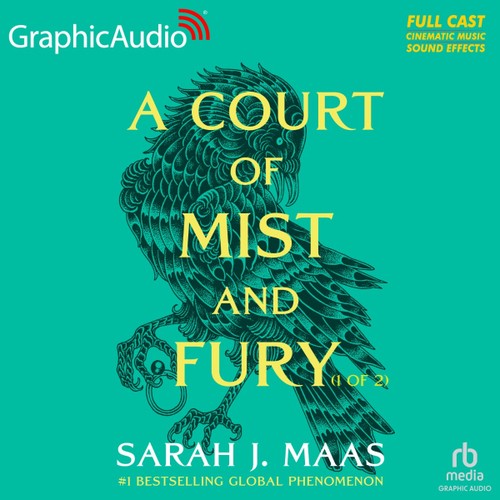
The proof that romance and plot can be the same wall. The one most often cited when readers argue romance belongs inside dark fantasy rather than beside it.
You need A Court of Thorns and Roses first — the weaker book — because Mist and Fury opens in its aftermath. Feyre survived Under the Mountain, but the bargain she made there left her traumatized, physically transformed, and locked inside a relationship with Tamlin that has become a cage. Rhysand calls in the bargain she owes him. The novel is the long account of Feyre's recovery and the slow pivot from a bond that cages to a bond that frees. The romance is the plot. There is no separating them, and the book does not pretend otherwise.
The structural observation: Maas makes the romance the protagonist's recovery arc rather than an interruption of it. The politics live inside who Feyre allows near her and what she will accept being done to her body. The series pivots here — romantically and politically at once — and the pivot is load-bearing in both directions. That is the case for romance inside dark fantasy done honestly. The darkness is not a backdrop for kissing. The romance is how a person reassembles after the darkness has already done its work.
Honest concession: Maas's prose is workmanlike, and you need the first book to get here. The first book is the weakest in the series, and some readers bounce off it before reaching the one that earns the shelf's reputation. The later volumes divide readers sharply. The payoff is real, but the runway is long.
For readers who want the structural argument that romance can be plot — and who will read the setup book to arrive at it. (Goodreads)
4. Spark of the Everflame — Penn Cole
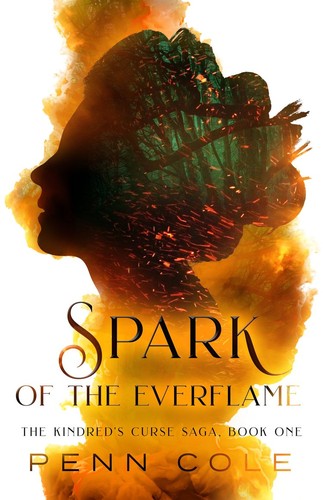
Romance as the political architecture. The indie import doing the structural move louder than its shelf recognition suggests.
Diem Bellator lives in the mortal half of a kingdom ruled by the Descended — immortals who conquered the mortal world and treat mortals as a servant class. Her mother disappears. Diem descends into the capital to find her and is bound into the crown's service, where Luther — heir to the Endless King — is the love interest. The first novel is the account of Diem navigating a court built on debt, lineage, and a hierarchy she was born at the wrong end of, with a bond to Luther she did not choose.
The craft move worth naming: Cole makes the romance the lever by which the plot reaches the throne room. Diem's bond to Luther is not a reward for surviving the politics. It is how she gets access to the court's machinery in the first place. The romance is architecture, not ornament. That is the version of "romance doesn't ruin the plot" the indie shelf is quietly doing better than the trad shelf, and it is why this book keeps climbing on word of mouth. The prose is sharper than its self-published origin implies, and the four-book arc opens into a world that earns its length.
Honest concession: the self-published pedigree shows in the early copy-edit. The love-interest reveal and the bond mechanic will feel familiar to anyone who has read romantasy. The freshness is in the political scaffolding the romance hangs on, not in the romance's bones. If you want the romance itself to surprise you, this is not the pick.
For readers who want romantasy where the romance is how power moves through the kingdom — not a side door into it. (Goodreads)
5. Empire of Sand — Tasha Suri
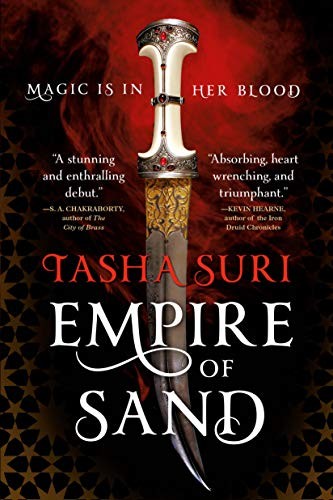
The vow is the magic system. The pick for readers who want their romance conducted under imperial constraint, where the structure is the cost.
Mehr is the illegitimate daughter of a regional governor in an Ambhan Empire inspired by Mughal India, and she carries the Amrithi blood of nomadic people touched by daiva — dream-spirits the Empire both fears and exploits. The Empire's mystics discover her power and arrange her marriage to Amun, a mystic sworn to silence, so they can use her in a ritual that binds the daiva and keeps the Empire's order intact. The novel is the account of the arranged marriage becoming love under a constraint neither party can break, and the vow that holds them both inside the Empire's design.
What earns this the slot: Suri locates the romance inside a vow that is also a ritual instrument. The marriage is not a backdrop for feeling. It is the mechanism by which the Empire controls the daiva, and Mehr and Amun have to conduct their attachment inside it. Love does not subvert the design from outside. It has to be practiced from within the cage, and that is what makes the romance the plot's hinge rather than its decoration. The prose is the most atmospheric on this list, and the daiva dream-sequences earn their dread without raising their voice.
Honest concession: this is a slow burn. Readers coming from Fourth Wing's pace will feel the first act as long. The duology (followed by Realm of Ash) rewards the patience, but the patience is the price of entry. If you want momentum, this is the wrong slot.
For readers who want romance conducted inside an imperial cage, where the vow is the structure and the atmosphere is the cost. (Goodreads)
6. The Book of Azrael — Amber V. Nicole
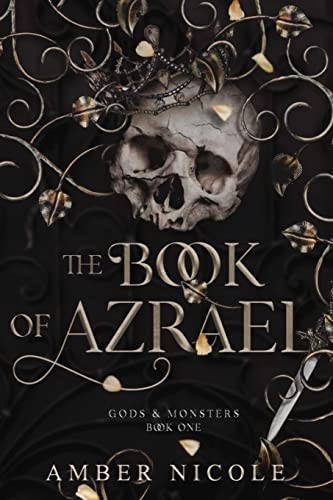
The discovery pick. The romantasy from the shelf the algorithm is not surfacing, where the bargain is the romance and the romance is the ledger.
Catelyn is bonded to Azrael, the demon king, in a world whose order rests on bargains struck between humans and the demonic. The novel alternates point of view between Catelyn and Azrael as the terms of their bond come due. The fate of the world is on the table, and so is the cost of the attachment that binds them. This is the pick I reach for when I want to argue the romantasy shelf is deeper than its top five — the book doing the structural work without the marketing budget behind it.
The craft observation that matters: Nicole writes the romance as a bargain with explicit moral accounting. Every beat of attachment has a price on the other side of the ledger, and the book does not let either party forget it. That is the structural cousin to the rider bond and the ritual vow — the bond is a third term with its own will and its own invoice, and the romance has to be settled inside that bookkeeping rather than around it. The indie pedigree means the line-level craft is rougher than the trad picks above, but the moral-ledger device is doing real work, and it is the reason this one has the cult following it has.
Honest concession: the prose is the roughest on this list. Some readers find the point-of-view switches jarring in the early chapters, and the front-end worldbuilding is dense. The series continues inside a larger "Gods' Game" arc, and the first book is doing a lot of setup. If you read for polish, start higher on this list and circle back.
For readers who want the discovery pick — the romantasy from the under-served shelf, where the bargain is the romance and the ledger never closes. (Find it on Amazon)
What these six share — and what "romance that doesn't ruin the plot" actually means
A list earns its keep when the pattern is visible. These six share one structural choice, and it is not a heat rating or an older cast. The romance is the mechanism by which the plot's cost reaches the protagonist. The dragon's bond in Fourth Wing. The war's appetite in The Poppy War. The recovery arc itself in A Court of Mist and Fury. The lever into the throne room in Spark of the Everflame. The ritual vow in Empire of Sand. The bargain's ledger in The Book of Azrael.
None of them bolt the romance on as a reward scene. The romance is how the darkness arrives. That is what good dark fantasy books with romance should mean when you search it — not grimdark with a love interest stapled to chapter twelve, not romantasy with the darkness painted on as seasoning. A book where the bond, the vow, or the bargain is the structure the plot hangs from, and where the book is honest about what that structure costs the body carrying it. The shelf that splits the difference gives you the darkness and the kissing and then excuses the cost. These six refuse the excuse. That is the difference, and it is the whole difference.
Where to start, and what to read after
If you want the romance as the recovery arc — start with A Court of Mist and Fury. Read A Court of Thorns and Roses first; the payoff is in book two.
If you want the romance thread as the thing the plot actually costs you — start with The Poppy War. The grimdark pick for readers who want attachment load-bearing in the worst way.
If you want the discovery pick — start with The Book of Azrael. The romantasy from the shelf the algorithm is not surfacing.
If you want a dark fantasy where the bond is a lineage the empire tried to break — The Seventh Vessel is mine. Book One of City of One Tongue. Read the opening on the homepage, browse the rest of the journal — including books like Fourth Wing for adult readers, the romantasy companion to this list, and good dark fantasy books that aren't just grimdark if you want atmosphere over the romance frame — or pick it up on Amazon.
The dark fantasy books with romance that actually work are the ones where the romance is how the darkness reaches the body. These six are the honest answer.
Keep reading below the dome.
Join the list for new lore and letters from City of One Tongue.
Dark fantasy at the edge of myth and resistance
By joining, you agree to the privacy policy. Unsubscribe anytime.