Fourth Wing Readalikes If You're Here for the War College, Not the Romance
You searched books like Fourth Wing and the part you want more of is the war college — the drills, the rankings, the machinery that turns recruits into weapons — not the bedroom subplot. That is a harder request than it looks. Most readalike lists in this lane quietly re-rank romantasy and assume you followed Violet for Xaden. You didn't. You followed her for Basgiath: the threshing floor, the squad politics, the graduation rate written in dead classmates.
These six picks take the war college seriously. Two are the school-story pillars — The Name of the Wind and A Deadly Education. Two run the military plot through character or gothic frames — The Blade Itself and Gideon the Ninth. One swaps the academy for an empire's grooming curriculum — The Traitor Baru Cormorant. One is the self-published classic where the family itself is the academy — The Sword of Kaigen. I care about this lane because it's the one I write inside: my protagonist is shaped by a household that trains her into an instrument, and the books below are the ones that taught me what a curriculum can cost on the page. Where a romance thread exists, it runs subordinate to the machinery — and I'll say plainly where each book spends its attention.
A quick map before the long versions — what each pick costs, and who it is for.
| Book | Sub-genre | Dark element / cost | Best for |
|---|---|---|---|
| The Name of the Wind | Epic fantasy | Debt, sabotage, talent spent | Readers who want school politics |
| The Blade Itself | Grimdark character study | Bodies spent by service | Readers who want the aftermath |
| A Deadly Education | Dark academia survival | Graduation as body count | Readers who want a lethal school |
| Gideon the Ninth | Gothic necromancy | Failed exams kill houses | Readers who want drills and midterms |
| The Traitor Baru Cormorant | Imperial tragedy | A mind colonized by curriculum | Readers who want war by ledger |
| The Sword of Kaigen | Indie war fantasy | Children drilled into weapons | Readers who want family cost |
1. The Name of the Wind — Patrick Rothfuss
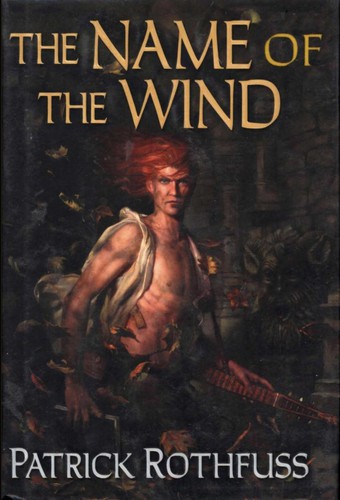
The war college where the weapon is tuition. If what held you at Basgiath was the scramble to stay enrolled, this is the book that built that scramble out of ledger lines.
Kvothe — orphaned when his troupe is slaughtered by the Chandrian — talks his way into the University on half tuition and then has to survive the economics of it. He pawned everything he owned to get in; his rival Ambrose gets him banned from the archives, his tuition gets raised as a political weapon by a master with a grudge, and every advantage he wins is paid for in debt, favors, or a beating behind the inn. The romance thread — the Denna arc — is yearning that stays a subplot. It never becomes the engine.
The craft move worth studying: Rothfuss structures school as survival economics. Reckoning — the tuition auction where masters bid a student's fees up or down — is a war college ritual with money instead of monsters, and it does the same job the threshing floor does in Fourth Wing: it makes staying enrolled the plot. Grades are currency. Lab access is currency. A loan from a friend is a plot event. That is a curriculum with teeth, and it runs the whole middle third of the book.
Honest concession: the frame story slows the charge — the inn, the Chronicler, the waiting — and readers who need a completed series should know the third volume hasn't arrived. The Denna thread frustrates by design; some readers bail on it.
For readers who came for the machinery of staying enrolled — the war college as bureaucracy that can kill you. (Goodreads)
2. The Blade Itself — Joe Abercrombie
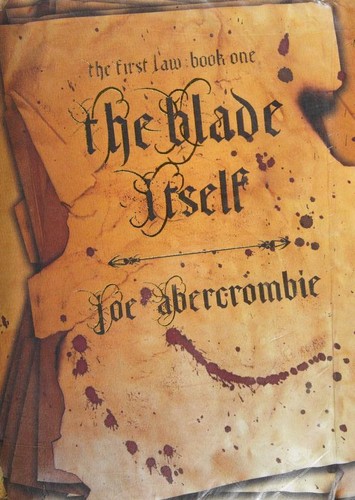
The war college's exit interview. Instead of showing you the recruit becoming a weapon, Abercrombie opens on the weapons and shows what being made cost.
Sand dan Glokta was the pride of his class — war hero, fencing champion, the boy every academy praised — and the war broke him so thoroughly that he now works as an Inquisitor, torturing confessions out of the same class of people who once applauded him. Around him: Logen Ninefingers trying to leave a lifetime of North-country slaughter behind, and Jezal dan Luthar, a vanity-project fencing champion whose contest circuit is the closest thing the book has to a war college on-page — rankings, patrons, drills, and a tournament that turns out to matter.
The structural inversion is the reason this book is on the list. The training arc is the fantasy default: nobody, drills, weapon, triumph. Abercrombie starts at the far end and works backward — the brilliant graduate is the broken torturer, the champion is a fool, the legendary warrior is tired. Every school-story promise is examined through its product. It's the anti-war-college that still understands exactly why the war college seduces.
Honest concession: this is a first act of three — much of the book is positioning pieces, and readers who want a self-contained arc will find the ending is a door, not a close. The darkness is unflinching; it earns it, but it is unflinching.
For readers who want the aftermath — what the academy's alumni look like twenty years past graduation. (Goodreads)
3. A Deadly Education — Naomi Novik
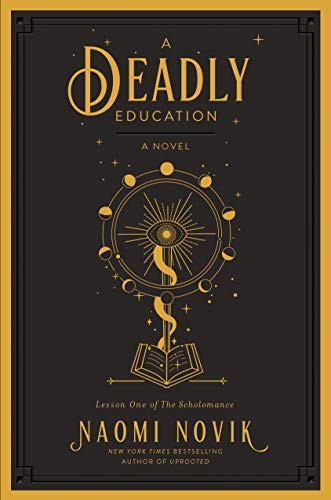
The school is the monster. There are no teachers, no holidays, no exits — and the curriculum is not dying before graduation.
Galadriel Higgins — El, born with an affinity for mass destruction she has to fight every day — is three years into the Scholomance, a school with no adults where the hallways eat students and the vending machines take fingers. Seniors build their graduation hall run like a military operation: allocating firepower, clearing corridors of maleficaria, running the gauntlet to the exit gates as a squad. El's survival depends on trading what her dark power can make — the valuable, monstrous things — for the alliance work that keeps a student alive, because the school punishes anyone who stands alone.
The craft observation: Novik replaces every school-novel ritual with logistics. Shopping for supplies is a raid. Study groups are mutual defense pacts. The New York labyrinth of alliances and debts is the actual syllabus, and the book teaches it to you as El works the economy. There is a bond thread with Orion — the boy who hunts monsters for fun — but it stays subordinate: affection conducted between two people too busy surviving to make it the plot. The machinery leads.
Honest concession: El's voice is chatty and the worldbuilding arrives in lecture-sized infodumps; the middle third wanders before the graduation run snaps everything tight. Readers who want prose economy should calibrate expectations.
For readers who want the war college with the romance dialed all the way down and the mortality dialed all the way up. (Goodreads)
4. Gideon the Ninth — Tamsyn Muir
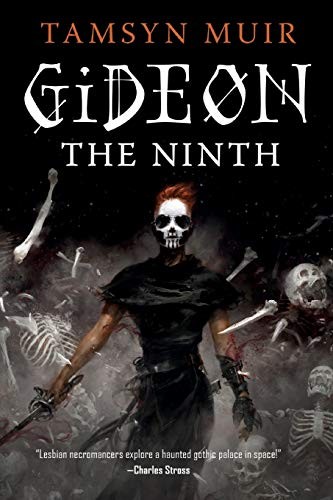
Orientation week, drills, midterms — the school ritual, run as gothic horror in a haunted castle where failure kills your whole house.
Gideon Nav — swordswoman, orphan, and indentured servant to the Ninth House — is sworn in as cavalier to her life-long enemy, the bone witch Harrowhark Nonagesimus. Both are summoned to the First House, where the Emperor's immortal necromancers have assembled the heirs of the eight houses for study and trials: a competitive program of necromantic exams that will make one of them a Lyctor, and kill the ones who can't keep up. There are study groups that become death traps, skeleton construction crews, a lab built from a church, and a curriculum that quietly picks students off between chapters.
What earns the slot: Muir literalizes the training montage into an academic term. The trials are exams; the pairs are lab partners; the looming question — what does it cost to pass — is the school story's oldest question, answered with bone. And Gideon's drill-sergeant-wiseacre voice keeps the machinery moving; the banter is armor, and the book lets you find out what's underneath it. The relationship at the center is a bond of mutual hatred forced into alliance — training partners, not lovers, which is precisely the plot-first arrangement this list is for.
Honest concession: the jargon load is real — house names, honorifics, and a second-act information dump that assumes you're keeping notes — and the voice is divisive by design. Readers who dislike sarcastic narrators should sample the first chapter before committing.
For readers who want drills, midterms, and competition with actual mortality attached. (Amazon)
5. The Traitor Baru Cormorant — Seth Dickinson
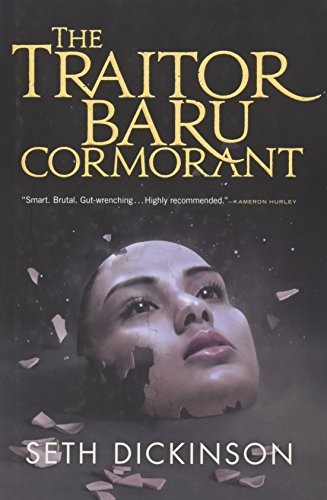
The war college without a campus. The curriculum is fiscal, the classroom is a conquered island, and the weapon is a child with mathematics.
Baru Cormorant is a brilliant girl from Taranoke, an island nation swallowed by the Falcresti Empire — which does not govern by sword but by ledger, by trade, by re-educating the children it conquers. The Empire finds Baru young, pays for her schooling, cultivates her through a mentor whose kindness has a handler's patience, and then posts her to a rebellious province as its imperial accountant, where her homework is bringing a rebellion down from the inside. She takes the job believing she can gut the Empire from within. The book is the cost of that belief.
The craft observation: Dickinson writes colonization as curriculum. Baru's education is the Empire's weapon; the tragedy is that she can see the mechanism and still runs on it. Where Fourth Wing gives you a war college with walls, this gives you the same institution dissolved into everything Baru reads, spends, and wants — school as the air she breathes. It's the most structurally ambitious book on this list, and the ending reframes every chapter that came before it without a single twist of magic.
Honest concession: the middle third runs on finance, trade policy, and alliance paperwork, and it demands patience — readers who want combat will wait a long while. The ending is devastating, and I won't spoil it, but know what you're walking into.
For readers who want the war college where the homework is empire — and who want a protagonist whose mind is the battlefield. (Goodreads)
6. The Sword of Kaigen — M.L. Wang
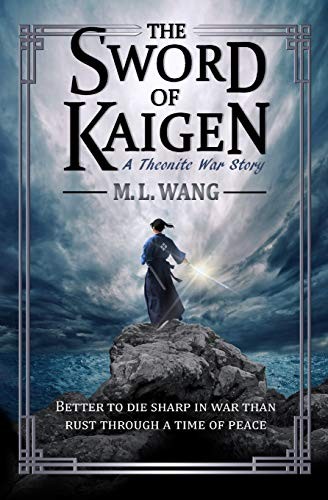
The family is the academy. The Matsude bloodline guards a mountain empire with a blade technique drilled into its children like scripture — and the book asks what happens when the syllabus goes out of date.
Mamoru Matsude is thirteen, heir to the family's swordsmanship, and mid-training when a rival power's invasion hits the mountain his family has guarded for generations. His mother Misaki — a housewife who is secretly a former warrior of a disbanded tribe, carrying a lifetime of her own training — watches the family doctrine meet an enemy it was never built for. What follows is a war story about inherited curriculum: a technique passed parent to child, honored like religion, and tested in one night against a modern army that outranges it.
Why it earns the wildcard slot: Wang builds the war college into the household itself. The drills, the rankings, the pressure to qualify — all of it lives at the dinner table, between mother and son, between the family's pride and the empire that owns them. The generational handoff of a martial art is the school story, told at the smallest and most brutal scale on this list. And beneath the swordplay there's a mother-son story about what parents make of their children — drill as love, love as damage — that most war-college plots never touch.
Honest concession: the opening chapters sit closer to YA than the rest of the book, and the self-published polish wobbles in places — a rushed beat here, a convenient plot hinge there. Hold through the turn. Almost nobody does, and the ones who leave miss one of the decade's best war fantasies.
For readers who want the training-cult classic the algorithm buried — and the family cost of a curriculum. (Goodreads)
Where The Seventh Vessel fits
The Seventh Vessel runs the same question through a smaller room. Nara is raised inside a household that trains girls into vessels — a curriculum of etiquette, observation, and obedience, administered by Lady Kadin, who never raises a hand because the coursework does the violence for her. The bond Nara is prepared for is the graduation exercise: an instrument's final exam is surrender. There is a bond at the center of the story, but it works the way the best threads on this list work — subordinate to the machinery, the mechanism by which the institution's cost reaches her body. If the war college is what you came for, this is the war college with the class size cut to one.
The reading order I'd hand you
Start with A Deadly Education for the purest plot-first school — no romance engine, maximum mortality. Follow with Gideon the Ninth when you want the same lethality with jokes and bones. Take The Traitor Baru Cormorant third, on a weekend you can spare, because the ending will take the rest of it. Save The Blade Itself for after — it reads best as the aftermath of everything above it. The Sword of Kaigen goes last: after the academies fall, watch what one family's technique costs. And if you want the counter-argument — the case for the romance-first version of this lane — I made it here. More school-and-slaughter picks wait in the journal.
Keep reading below the dome.
Join the list for new lore and letters from City of One Tongue.
Dark fantasy at the edge of myth and resistance
By joining, you agree to the privacy policy. Unsubscribe anytime.