Good Dark Fantasy Books Out in 2026 (and the Backlist You Missed)
Most "best dark fantasy 2026" lists are guesswork — a spreadsheet of covers pulled from a publisher catalog, none of them read, all pitched in the same five adjectives. I won't write that list. What follows is six good dark fantasy books I'm actually paying attention to in 2026: three new releases I think will move the lane, and three backlist titles the algorithm buried under whatever TikTok decided was the book of the week. Half the shelf is what's coming. The other half is what you missed while you were looking forward.
I split it this way on purpose. Chasing only new releases is how readers end up with a stack of first-installments that go nowhere. Chasing only backlist is how you miss the books actively arguing with the canon. The picks below come from both directions — two frontlist anchors you can pre-order or read now, one 2026 wildcard I'm watching closely, and three backlist titles from grimdark, forgotten epic, and secondary-world lanes that should have been bigger. Each gets a specific reason it earned the slot. Each gets an honest concession. No hype. The goal is a 2026 shelf that holds up past January.
| Book | Sub-genre | Dark element / cost | Best for |
|---|---|---|---|
| The Poppy War | Grimdark military | Shamanic madness, war crimes | Readers who want unflinching |
| Ninth House | Dark academia | Necromancy + trauma | Readers who want atmosphere + dread |
| The Fox & The Devil | Mythic dark fantasy (2026) | Folkloric bargain | Readers who want new myth |
| The Faith of Beasts | Secondary-world epic (2026) | Faith as cost | Readers who want new epic |
| The Knight and the Moth | Gothic romantasy (2026) | Vow-bound isolation | Readers who want slow-burn dread |
| City of Stairs | Secondary-world mystery | Divinity as bureaucracy | Readers who missed the backlist |
1. The Poppy War — R.F. Kuang

The grimdark anchor — and the book the 2026 wave is still answering to.
Rin is a war orphan from the southern provinces who aces the Empire-wide test and gets sent to the most elite military academy in the land, where she discovers she has shamanic ability — channeling a god that will, eventually, eat her. The first third is a school story. The last third is the Second Sino-Japanese War rendered almost unedited. The middle is the bridge.
Kuang's move: the magic has a cost and the cost is sanity. Channeling the Phoenix gives Rin fire and takes pieces of her — memory, judgment, the line between herself and the god. Every shaman in the book is either losing it, lost it, or already gone. The famous scene where Rin goes into trance and the prose itself starts to slip — short paragraphs, present tense, the narration losing track of who is speaking — is the moment most readers put the book down and realize they are not reading Fourth Wing anymore. (Amazon · Goodreads)
Concession: the first act is a school story that telegraphs its beats. The pacing is uneven — Kuang front-loads the academy and then accelerates brutally through the war. Some readers never recover from the whiplash. The series also gets darker with each installment; this is the most readable entry, and the third book is a wall.
For: readers who say "I want dark fantasy" and mean it. The 2026 wave — including Kuang's own next moves — is still calibrating against this book's blast radius.
2. Ninth House — Leigh Bardugo
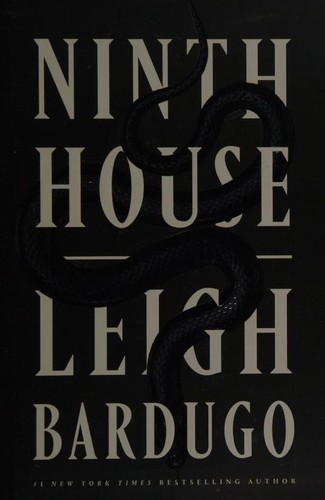
The dark-academia anchor — and the 2026 books copying its structure should be read alongside the original.
Galaxy "Alex" Stern is a high-school dropout from a Los Angeles suburb who survived a homicide she can't fully explain and gets recruited to Yale as the unlikely guardian of the school's secret societies — eight of them, each practicing a distinct occult tradition that actually works. There's a murder. There's a timeline that fractures. There's Alex, who is one of the few people alive who can see the Grays — the dead — and is therefore useful to people who should not have access to her.
Bardugo's move: the magic is the city's plumbing. The societies don't sit in towers — they sit in tombs, in basements, in the tunnels under the New Haven green. The famous scene where Alex tracks a ritual through the brickwork of a building, feeling the residue in the walls, is the moment the book stops being a campus novel and becomes something architectural. The dread is infrastructural: the city is built on a working system of death, and Alex is the only character on the page who can see the pipes. (Amazon · Goodreads)
Concession: the timeline structure is confusing on first read and there's no way around that. Bardugo hops between "Fall" and "Spring" chapters without signposting which thread you're in, and the first hundred pages ask you to trust her. Some readers don't. The supporting cast is also crowded; characters introduced in one chapter are paid off two hundred pages later, and if you weren't taking notes you'll miss the connection.
For: readers who want their 2026 dark academia to have a 2019 standard to measure against. This is the standard.
3. The Fox & The Devil — Kiersten White
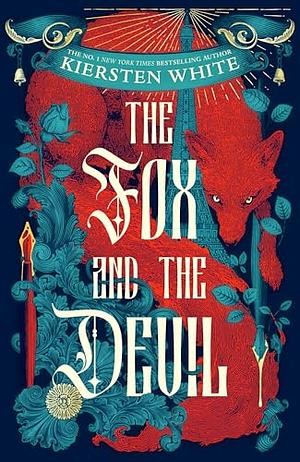
The 2026 mythic pick. The bargain novel.
White's 2026 entry is a mythic dark fantasy built around a folkloric bargain — the kind of structure where the cost is named in the first chapter and paid out across the next four hundred pages in installments the protagonist keeps failing to count. The fox is the protagonist. The devil is the empire. The bargain is the plot. White writes with a clean, declarative line that hides how much scaffolding is underneath — the kind of prose that looks like young-adult and lands like adult, and the gap between those two registers is where the dread lives.
White's move: the bargain is structural, not decorative. The cost compounds. Every chapter is another ledger entry the fox tries to ignore — what she agreed to, what she's already paid, what's coming due. The craft observation I want to flag for 2026 readers is how disciplined White is about withholding: the book tells you the bargain on page one and refuses to tell you the price until page three hundred. That patience is the atmospheric engine. Most 2026 mythic dark fantasy will rush this; the ones worth reading will copy White's restraint instead.
Concession: this is a 2026 release and the long-range reception is still assembling — early signal is strong, but if you want a book with three years of reader consensus behind it, The Fox & The Devil doesn't have it yet. It's a bet, not a certainty.
For: readers who want their 2026 dark fantasy to argue with myth rather than mine it for set-dressing.
4. The Faith of Beasts — S.A. Corey
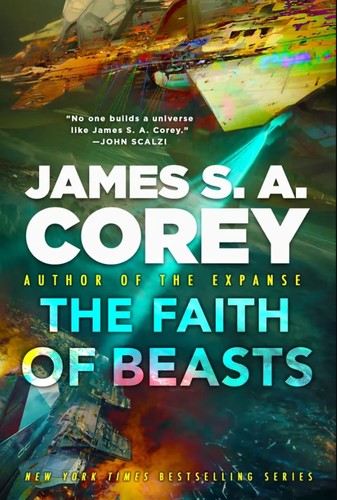
The 2026 epic pick. The faith-as-cost novel.
Corey — the collaboration behind The Expanse, writing solo here — turns in a secondary-world epic where the magic system is belief, and the cost of the magic is what belief asks you to do. The setup is a holy empire in a slow-motion ecological collapse, a prophet who may or may not be what the empire says, and a soldier sent to find out. The premise is simple. The execution is not.
Corey's move: faith is the cost, not the fuel. The book takes the question "what would you do for what you believe?" and refuses to make it rhetorical. Scenes that look like standard epic-fantasy beats — a march, a siege, an audience with a hierarch — keep turning into arguments about what the characters are willing to make peace with. The craft observation worth flagging is the pacing: this is a big-canvas epic written at the discipline of a much shorter book. No bloat. The 2026 epic wave is going to be crowded with doorstops; The Faith of Beasts is the one I'm watching for whether it can hold the line on length without losing the scale.
Concession: secondary-world epics are a commitment, and Corey is upfront about building the world before delivering the plot. The first hundred pages are world-of-faith-and-empire setup; the second hundred is where the book decides what it's actually about. Readers who want immediate plot momentum will bounce. The payoff is real, but the runway is long.
For: readers who want a 2026 epic that does for belief what The Poppy War did for shamanic madness — name the cost and refuse to look away.
5. The Knight and the Moth — Rachel Gillig

The 2026 gothic-romantasy pick. The vow novel.
Gilliam follows One Dark Window and Two Twisted Crowns with a 2026 gothic romantasy about a knight bound by vow to an isolated house, a woman who is not what the house says she is, and the slow recognition between them. The structure is closed-circle — one location, two characters, a building that doesn't fully add up. The romance is the plot's delivery system, but the dread is architectural. Something is wrong with the house. The moth is the clue. The vow is the trap.
Gillig's move: the dread is the withholding. The book tells you the knight has taken a vow and refuses to tell you what the vow costs until the architecture of the house forces it. The craft observation worth flagging is how Gillig stages recognition — the moment the two leads realize they've been describing the same wrong thing in different vocabularies is one of the best-constructed scenes in 2026 romantic dark fantasy. Readers coming off One Dark Window will recognize the disciplined restraint. Readers new to Gillig will find it here.
Concession: romantasy is a lane, and if you don't want romance load-bearing in your dark fantasy, this is the wrong entry on the list. The book earns its romance — but it is the engine, not the trim. Reader-fit matters here more than on the other picks.
For: readers who want their 2026 dark fantasy to remember that a closed-circle gothic with two people in a house is still one of the form's most reliable dread engines.
6. City of Stairs — Robert Jackson Bennett
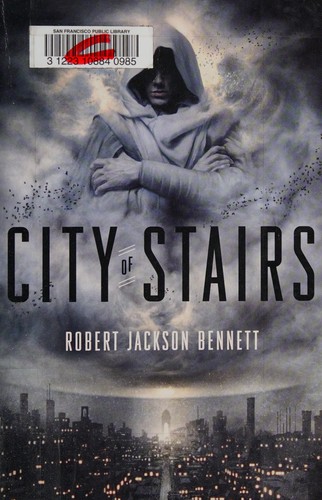
The backlist pick you missed. The divine-bureaucracy novel.
Bennett's 2014 novel is set in a city where the conquered nation's old gods — once real, once walking — have been officially killed by the conquerors, and the only person who can investigate whether one of them is still operating is a young spy from the conquered side who shouldn't legally exist. Shara Thivani arrives in Bulikov pretending to be a junior diplomat. She is not. The city is full of impossible architecture left over from gods that are supposed to be dead. One of her predecessors has been murdered. The case is the door, and what's behind the door is a 2014 novel that should have been on every dark-fantasy shelf for a decade and wasn't.
Bennett's move: divinity as bureaucracy. The conquest isn't a swords-and-banners affair — it's a censor's office. The conquerors didn't only kill the gods; they killed the records of the gods, and the city is collapsing in slow motion because the infrastructure is missing its divine load-bearing walls. Shara's investigation is the structure, and the craft observation worth carrying into 2026 is how Bennett makes the mystery the worldbuilding: every clue is a fact about how this empire works, every revelation is a door into the next layer of the cosmology. Most secondary-world fantasy tells you the world. Bennett lets you audit it. (Goodreads)
Concession: the series gets denser and darker with each installment, and the third book (City of Miracles) is where the register tightens to the point that some readers bounce. City of Stairs on its own is the most accessible entry, but the backlist promise is a completed trilogy — read the first, commit to the next two, and know that what you're signing up for is more than one book's worth of dread.
For: readers looking for a backlist that does what 2026's secondary-world epics are trying to do, ten years earlier, in fewer pages, and probably better.
Where The Seventh Vessel fits
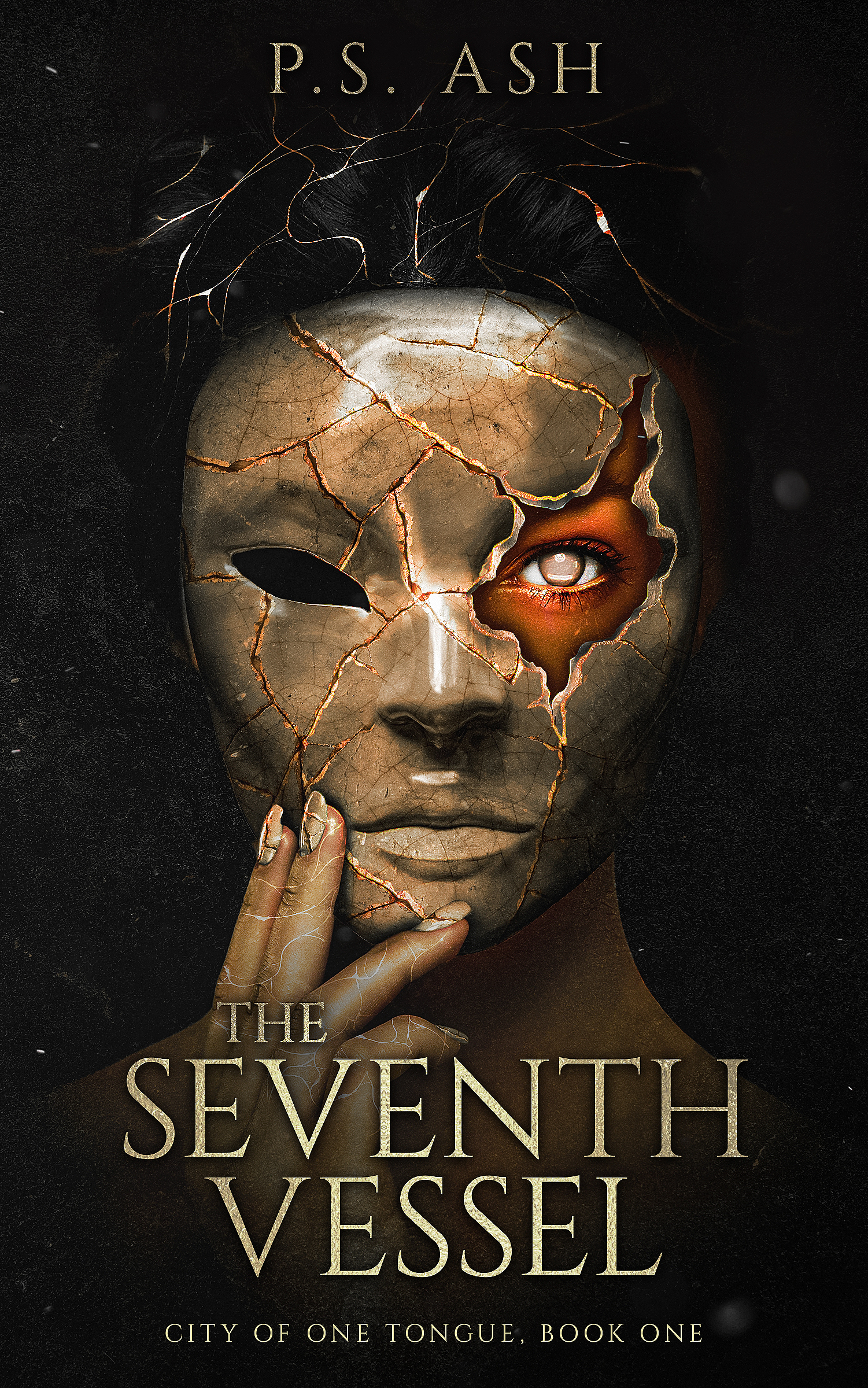
The Seventh Vessel is my novel, and it sits on this shelf as the 2026 entry that's neither wave nor backlist — it's the book I wrote because I wanted what wasn't on either side of the shelf yet. Nara lives in a dome the empire built to extract from her. She is the last holder of a bonded lineage — a clan that read the world through seismic sense — and the empire broke the clan and kept her because the lineage ability was the asset. The dread isn't the gore. The dread is the frequency the dome can't suppress — the bond-language of forty-three dead, conducted through the ground she walks on, in a register the empire's surveillance can't read. The antagonist, Lady Kadin, never raises her voice and never leaves a mark. The worst violence in this book is administrative.
I wrote it because I wanted the shamanic-cost dread of The Poppy War applied to a lineage the body is asked to carry, the architectural-dread plumbing of Ninth House moved from a Yale campus to a single sealed dome, and the divine-bureaucracy argument of City of Stairs compressed into one woman's interior. If you finish this list wanting a 2026 dark fantasy where the cost is lineage, the resistance is conducted below the empire's frequency, and the protagonist refuses to look away from either — The Seventh Vessel is the book I couldn't find on the shelf, so I wrote it. (Amazon)
How to read this list
Six good dark fantasy books, split into what's coming and what you missed. The reading order isn't ranking — it's two on-ramps depending on where your 2026 shelf is weakest.
If your 2026 shelf is empty and you want the wave first: read The Poppy War and Ninth House back-to-back as the anchors the new books are answering to, then pre-order The Fox & The Devil and The Faith of Beasts as your 2026 entries. The new books will land harder when you can hear what they're arguing with. Then circle back to City of Stairs — the backlist that did it first — and let The Knight and the Moth close the year as your romantasy slot. More recommendations across the full journal, and if you want the wider shelf, the longer eleven dark fantasy books that earn their darkness sits next door.
If your backlist shelf is the gap: start with City of Stairs. It's the most accessible entry on the list, and it reframes everything else. Then read The Poppy War and Ninth House as the books that inherited its arguments, and pick up the 2026 wave — Fox & The Devil for myth, Faith of Beasts for epic, Knight and the Moth for gothic romantasy — as the books that are extending them. The conversation across this shelf is the point; the order you enter it is the lever.
And if you want a 2026 dark fantasy that argues with all six at once — shamanic cost, architectural dread, mythic bargain, faith-as-cost, vow-bound isolation, and divine bureaucracy — The Seventh Vessel above is where I tried to put the argument.
Keep reading below the dome.
Join the list for new lore and letters from City of One Tongue.
Dark fantasy at the edge of myth and resistance
By joining, you agree to the privacy policy. Unsubscribe anytime.